
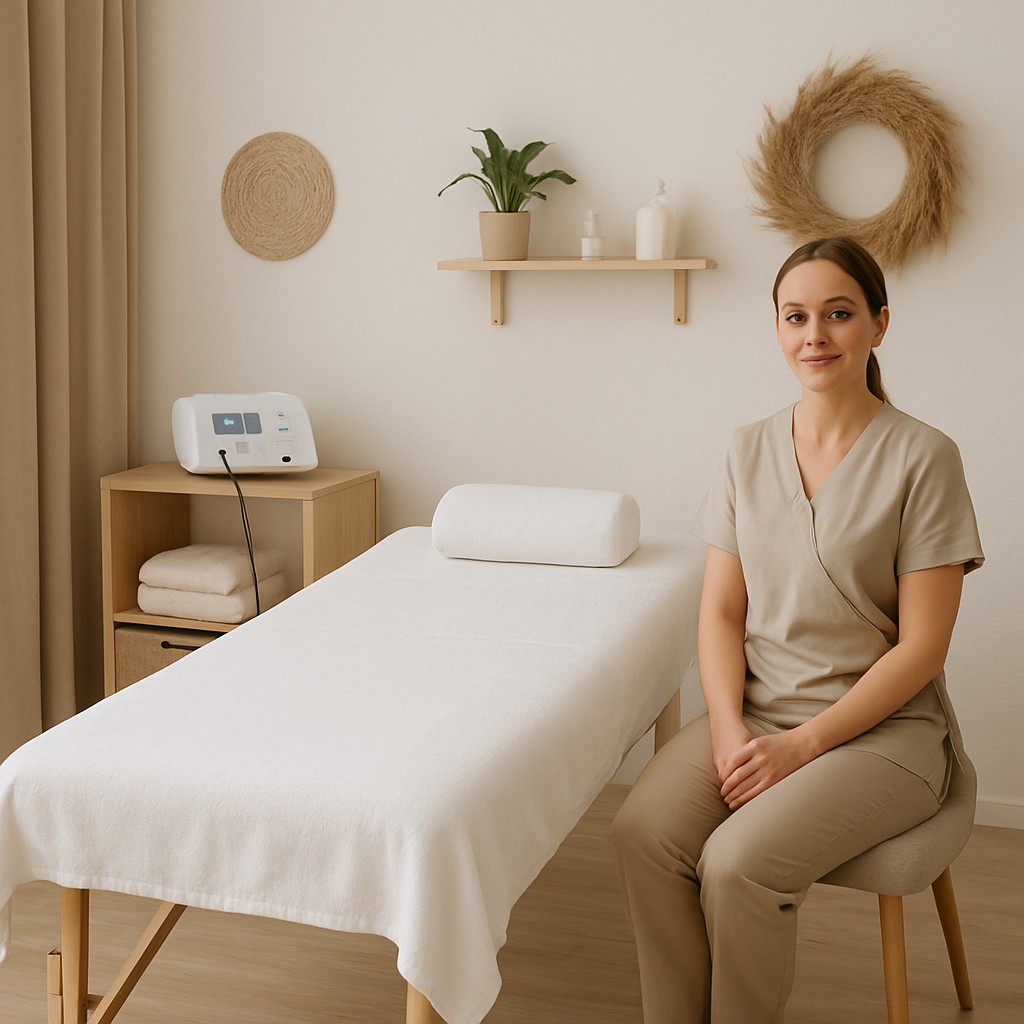
Comparing Closed and Open Colon Hydrotherapy
Have you ever felt overwhelmed while searching for effective ways to soothe sluggish digestion? Unlike harsh general colon cleansing regimens, wellness practitioners describe professional colon hydrotherapy as a soothing, gentle rinse for the large intestine.
Using temperature-controlled water, the procedure’s primary objective is to hydrate and soften built-up waste for natural removal. Many clients report experiencing significant detoxification benefits of intestinal irrigation, alongside other hydrotherapy benefits like feeling physically lighter.
Booking a first session can feel intimidating, but understanding the mechanics of closed vs open colon hydrotherapy systems dramatically reduces anxiety. Ultimately, choosing between a therapist-guided experience and a highly private setup depends entirely on your personal comfort preferences.
The Managed Care of a Closed System: Expert Guidance and Regulated Flow

Stepping into a wellness center can feel intimidating, but having a professional nearby brings immense peace of mind. The colon hydrotherapist role in closed systems involves staying in the room to guide your entire session. They carefully monitor the equipment and provide gentle abdominal massage to help the warm water move and naturally encourage waste release.
This method relies on a pressure regulated water flow to ensure your maximum comfort. Think of it like a carefully managed faucet that the therapist adjusts to match your body’s reactions in real-time. This precise, gentle control softens internal buildup without creating an overwhelming feeling of fullness or urgency.
A highly reassuring aspect—and one of the primary benefits of closed system colonic treatments—is the completely contained equipment design. Operating as a “closed-loop” setup means all water and released toxins travel through a sealed, clear tube directly into the clinic’s plumbing. You get to enjoy an odorless, mess-free experience while resting comfortably under a warm blanket.
While many clients appreciate this continuous, hands-on support, others prefer complete solitude during their wellness treatments. This preference for personal space naturally leads to the privacy and autonomy offered in open systems, like the LIBBE device.
Privacy and Autonomy in Open Systems: The LIBBE Device Experience
For those who find the presence of a practitioner a bit too intimate, an open setup offers a wonderful sense of independence. Devices like the popular LIBBE system are designed specifically to maximize privacy and modesty during colonic treatment. You get to relax completely alone in a private, soothing room.
The physical process begins with a much smaller, pencil-thin tube that you comfortably place yourself. When comparing the LIBBE device vs therapist assisted irrigation, this self-guided start empowers you to establish your own boundaries. Once you are securely covered with a warm drape, the therapist steps out, remaining just a quick bell-ring away.
The open system’s water delivery is distinctly gentle. When contrasting gravity fed vs pressure regulated water flow, the open method acts like a slow, natural trickle from a tank above rather than a mechanically managed faucet. This allows your body to naturally push out waste on its own schedule.
Because you rest on a specially molded, ergonomic basin, the released water and softened toxins safely rinse away beneath you, completely out of sight. This autonomous experience lets you listen closely to your body’s cues without feeling rushed.
Open vs. Closed: Which System Fits Your Comfort and Goals?
Deciding between open vs closed colon hydrotherapy ultimately comes down to your personal boundaries and what makes you feel most relaxed. When comparing colonic irrigation equipment, three main differences shape the experience:
- Tube Size: Closed systems use a thumb-sized speculum placed by a therapist, whereas open setups use a self-placed, pencil-thin tube, granting you total control over speculum insertion depth and comfort levels.
- Therapist Role: You can choose “guided therapy” for hands-on abdominal massage during a closed session, or “private autonomy” to rest entirely alone during an open session.
- Waste Removal: Closed units route waste through an illuminated viewing tube directly into the plumbing, while open units utilize a continuous rinsing basin beneath you. Both designs guarantee the completely odor-free, sanitary disposal of fecal matter during colonics.
Selecting the right environment essentially depends on whether you prefer professional guidance or quiet independence. If having an expert beside you eases your anxiety, the closed system is ideal; however, if ultimate privacy helps your body relax, the open setup is a perfect match.
Practical Steps for a Safe First Session: From Prep to Side Effects
When preparing for your first colonic hydrotherapy session, following the “Eat Light” rule for 24 hours beforehand dramatically improves your overall comfort. Focus on easy-to-digest foods like steamed vegetables and drink plenty of water to naturally soften waste before you even arrive.

Many naturally wonder: is colonic irrigation painful for beginners? Rather than sharp pain, you will likely just feel sensations of fullness or mild cramping as the water flows. These are completely normal potential side effects of colon cleansing, signaling that the body is responding. Because of this gentle internal hydration, clients frequently report the high effectiveness of colonic for chronic constipation.
Safety is equally prioritized through strict hygiene standards for colonic irrigation equipment at professional wellness centers. Clinics rely exclusively on single-use, disposable tubes to guarantee a highly sanitary environment.
Your Personalized Wellness Action Plan: Deciding Between Open and Closed Methods
Whether you value the complete privacy of the open system or the guided support of the closed method, booking a session starts with finding a reputable provider. Research local wellness clinics, verify their practitioner credentials, and ensure they use FDA-registered equipment.
Many clients leave their appointments feeling physically lighter and free from bloating. By understanding the functional differences between these systems, you can choose the approach that best supports your digestive wellness journey and book your first session with confidence.




Leave a Reply
Your email is safe with us.