
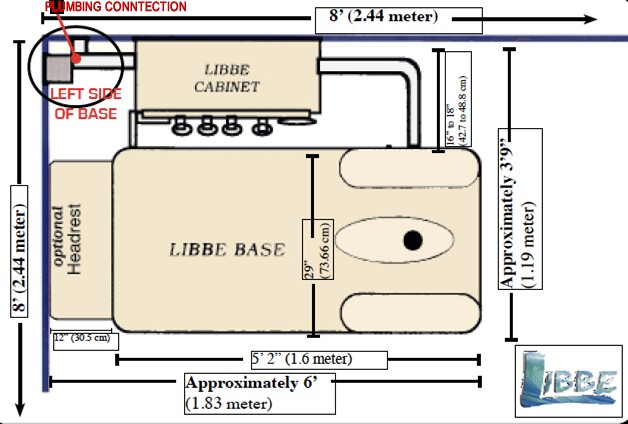
Among the various devices used in colon hydrotherapy clinics worldwide, the LIBBE — an acronym for Lower Intestinal Bottom Bowel Evacuation — stands out as one of the most widely recognized and commercially distributed open-system colonic machines. Manufactured by LIBBE Inc. and designed for use under the supervision of a certified colon hydrotherapist or healthcare practitioner, the machine has become a reference standard in the colonics industry since its introduction in the late twentieth century.
This article examines how the LIBBE device is built, how it functions during a session, what practitioners and proponents claim it can achieve, and — critically — what evidence-based medicine has to say about colon hydrotherapy as a whole.
What Is Colon Hydrotherapy?
Colon hydrotherapy, also called colonic irrigation or a “colonic,” is a procedure in which warm, filtered water is introduced into the large intestine through the rectum to flush out waste material, gas, mucus, and other accumulated matter. The practice draws on ancient roots — enemas appear in Egyptian medical papyri and Greek writings — but the modern clinical version began to take shape in the early twentieth century and experienced renewed commercial interest starting in the 1980s and 1990s.
The stated rationale behind the therapy is a concept sometimes called “autointoxication”: the idea that undigested waste and microbial byproducts accumulate in the colon and are reabsorbed into the bloodstream, leading to fatigue, headaches, skin issues, joint pain, and other systemic complaints. Mainstream gastroenterology does not accept autointoxication as a valid physiological process, though the debate between proponents and skeptics continues.
Open System vs. Closed System
To understand the LIBBE machine’s design philosophy, it helps to contrast the two major categories of colonic equipment.
Open system (LIBBE)
- Small rectal nozzle self-inserted by client
- Waste flows freely into basin below table
- Client controls session independently
- Therapist present but not hands-on throughout
- Gravity-fed water flow at lower pressure
Closed system
- Larger speculum inserted by therapist
- Waste exits via sealed tubing, no odor
- More direct therapist involvement
- Higher-pressure water delivery possible
- Therapist can massage abdomen throughout
In the open system used by the LIBBE, the client lies on a specially contoured table — essentially a reclining basin — and inserts a small, pencil-thin rectal tube themselves after it has been set up by the therapist. Warm water flows in gently from below, and waste evacuates around the outside of the tube into the basin and down a drain. The therapist typically remains in the room to monitor the session, adjust water temperature and flow, and guide the client through the process, but the client has considerable autonomy compared to a closed-system session.
Anatomy of the LIBBE Device
The LIBBE system consists of several integrated components that work together to deliver a controlled, temperature-regulated hydrotherapy session.
The treatment table. The central component is a custom-molded fiberglass table with a built-in recessed basin at the lower end. The basin is designed to create a comfortable, privacy-preserving position for the client while allowing waste to drain away cleanly. Most LIBBE tables are adjustable in height and include handrails.
The water purification system. Water runs through a multi-stage filtration and UV sterilization unit before entering the treatment circuit. Typical LIBBE installations include a carbon filter and ultraviolet light stage to reduce microbial and chemical contamination. The temperature is thermostatically controlled, usually between 37°C and 40°C (98.6°F–104°F) to approximate body temperature and encourage smooth muscle relaxation in the bowel wall.
The rectal nozzle. LIBBE sessions use a disposable, single-use rectal nozzle approximately the diameter of a pencil — significantly smaller than the speculums used in closed systems. The nozzle delivers water into the rectum while waste passes around its exterior into the basin below. This design is central to the open-system experience and is often cited by practitioners as making the procedure more comfortable and less intimidating for first-time clients.
The control panel. A wall-mounted or table-mounted panel allows the therapist to regulate water temperature, pressure, and flow rate in real time. Most LIBBE units include a viewing panel or transparent section in the drainage circuit so that both the therapist and client can observe the material being released — considered useful for assessing the character of the waste and the progress of the session.
The drainage and odor control system. Waste drains directly and continuously into the clinic’s plumbing system. While the open-system design means the basin is not fully sealed, modern LIBBE installations typically include odor-filtering vents to minimize discomfort in the treatment room.
A Typical LIBBE Session: Step by Step
- Intake and consultation. Before the session begins, the client completes a health intake form. A trained therapist reviews contraindications including recent bowel surgery, active inflammatory bowel disease, severe hemorrhoids, renal failure, cardiac conditions, and pregnancy.
- Room preparation. The therapist sanitizes the table, assembles the disposable nozzle kit, and verifies that the water filtration unit is operating correctly and at the target temperature.
- Client positioning. The client disrobes from the waist down, is given a drape or gown, and lies in a semi-reclined position on the table over the basin. The therapist demonstrates nozzle insertion and steps out or turns away while the client self-inserts the nozzle.
- Water infusion begins. The therapist initiates a slow, gravity-fed flow of warm filtered water. The client typically experiences a gentle sensation of fullness as the colon fills, followed by an urge to release. Because the nozzle is small, waste can flow out continuously and simultaneously with incoming water.
- Cycling and release. Over the 30-to-60-minute session, several cycles of fill and release occur. The therapist may guide the client through breathing exercises or light abdominal self-massage to encourage peristalsis and help move water deeper into the colon.
- Completion and aftercare. The nozzle is removed, the client uses a private restroom to complete elimination, and the therapist provides aftercare recommendations — typically dietary adjustments for the following 24–48 hours.
Claimed Benefits and Practitioner Rationale
Proponents of LIBBE colon hydrotherapy claim a broad spectrum of benefits. These claims vary considerably in their plausibility and degree of empirical support.
The most commonly cited short-term claim is relief from constipation. Water distension of the colon stimulates peristalsis and can prompt evacuation of retained stool — a mechanically plausible mechanism that some gastroenterologists acknowledge as having some logic, though they typically prefer other interventions first.
Longer-range claims include improvements in skin clarity, energy levels, concentration, bloating, and general well-being. Practitioners often frame these as downstream effects of reduced “toxic load” and improved nutrient absorption. Some practitioners also position colonics as a complement to detox programs, parasite cleanses, or pre-diagnostic bowel preparation (though medical bowel prep for colonoscopy is a separate, regulated procedure with no established connection to commercial hydrotherapy).
A subset of practitioners and proponents make more ambitious claims involving immune modulation, weight management, and even mental health benefits — claims that have essentially no clinical trial support and are viewed skeptically by mainstream medicine.
What Medical Evidence Actually Shows
The scientific literature on colon hydrotherapy is sparse, methodologically limited, and — for most claimed benefits — essentially null. Systematic reviews conducted in the 2010s found no high-quality randomized controlled trial evidence supporting the use of colon hydrotherapy for general wellness, detoxification, or most of the conditions commonly advertised by practitioners.
There is some limited, low-quality evidence suggesting colonics may provide short-term constipation relief, and a few small studies have examined its use as bowel preparation for colonoscopy — with mixed results compared to standard pharmaceutical prep. No credible clinical evidence supports claims related to detoxification, immunity, or metabolic benefits.
Medical caution: The procedure is not without risk. Documented adverse events in medical literature include electrolyte imbalances, bowel perforation (rare but serious), water intoxication, air embolism, and infection from improperly sanitized equipment. The risk profile is elevated in individuals with inflammatory bowel disease, diverticulitis, recent colorectal surgery, kidney disease, or heart conditions. Any interest in colon hydrotherapy should be discussed with a physician first.
Regulation and Professional Standards
In the United States, colon hydrotherapy occupies a regulatory gray zone. The FDA has cleared colonic irrigation devices for use only “for bowel cleansing prior to radiological or endoscopic examination” — not for general wellness purposes. Despite this, clinics offering sessions for wellness and detox purposes operate widely. The FDA issued warning letters to some device manufacturers in the 1990s, but enforcement has been inconsistent.
Professional organizations such as the International Association for Colon Hydrotherapy (I-ACT) and the Global Professional Association for Colon Therapy (GPACT) offer certification programs for practitioners and advocate for minimum sanitation and equipment standards. The LIBBE device itself carries FDA 510(k) clearance as a class II medical device for the specific approved indication. Many states require practitioners to hold a nursing or other healthcare license to legally operate colonic equipment.
Choosing a LIBBE Practitioner: Key Questions
For individuals who choose to pursue a session despite the lack of robust efficacy evidence, certain baseline quality and safety standards are worth verifying before booking.
Confirm that the practitioner holds a current certification from a recognized body such as I-ACT. Ask whether the clinic uses single-use, disposable nozzle kits — any reusable speculum that is not sterilized between clients represents a serious infection risk. Inquire about the water filtration and UV sterilization system, and ask when it was last serviced. Verify that the therapist conducts a health intake consultation and can identify contraindications. A reputable practitioner will also never claim the procedure can treat, cure, or diagnose disease.
This article is intended for informational purposes only and does not constitute medical advice. Colon hydrotherapy is not a substitute for evidence-based medical treatment. Readers with gastrointestinal concerns should consult a licensed gastroenterologist or primary care physician.




Leave a Reply
Your email is safe with us.