
Understanding Thyroid Health: Key Insights

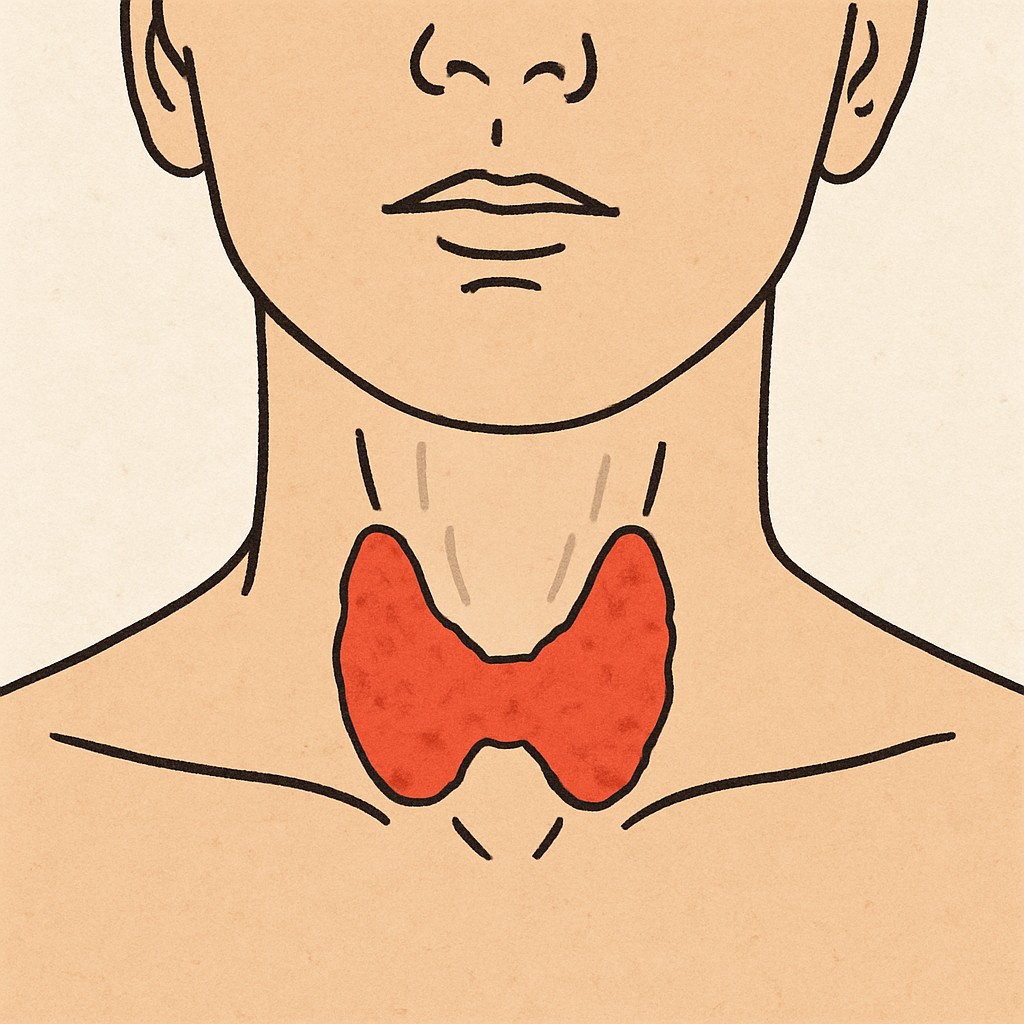
Running on a low battery despite sleeping well? According to medical experts, this deep exhaustion is frequently blamed on everyday stress. The true culprit often sits just below your Adam’s apple: a tiny, butterfly-shaped organ known as the thyroid gland.
As part of the endocrine system (your body’s hormone network), it acts as metabolism’s master controller. Think of your brain as a thermostat and the thyroid as a furnace. When the furnace struggles to produce heat, you run cold. Consequently, frustrating thyroid symptoms like unexplained fatigue emerge because your internal engine is stuck in slow motion. Reclaiming true thyroid health starts by recognizing this powerful daily connection.
The Thermostat and the Furnace: How Your Brain Controls Your Metabolism
Have you ever wondered how your body knows exactly how much energy to burn? When your body needs more energy, the brain sends a signal called TSH (Thyroid Stimulating Hormone). This messenger simply tells your internal furnace to turn up the heat.
Upon receiving this signal, your thyroid creates two primary energy hormones: T3 and T4. Maintaining healthy triiodothyronine and thyroxine levels keeps your metabolism humming perfectly. Your gland cannot make these out of thin air, though. It relies on the vital role of iodine in thyroid hormone production, using this dietary nutrient as fuel to run the furnace.
This fascinating system operates on a continuous feedback loop. If your energy drops, your brain “shouts” to the thyroid by sending high amounts of TSH, but if hormone levels are too high, it “whispers” by sending almost none. When this delicate communication breaks down, you might find your entire body abruptly shifting into a sluggish crawl or an anxious overdrive.
Is Your Body in Overdrive or Sluggish? Spotting the Difference Between Hypo and Hyperthyroidism
Feeling drained despite resting, or shivering while others are warm, can be incredibly frustrating. These everyday mysteries are often signs of thyroid issues. When your body’s furnace breaks, it falls into two extremes: Hypothyroidism (an underactive thyroid running too slow) and Hyperthyroidism (an overactive thyroid running too fast).
Your daily struggles begin to make sense once you learn these extremes. If you frequently wonder, “why am I gaining weight with thyroid issues?” the answer usually lies in a sluggish metabolism. Here is how the two conditions compare:
- Hypothyroidism (Slow): Triggers fatigue, weight gain, feeling cold, and low mood. If you ask, “can thyroid problems cause hair loss?”—yes, thinning hair is among the common symptoms of underactive thyroid function.
- Hyperthyroidism (Fast): Causes a racing heart, unexpected weight loss, sweating, and intense anxiety.
Because these physical changes mimic ordinary stress, guessing is rarely enough to confirm a problem. If your life is interrupted by a sluggish crawl or anxious overdrive, you need hard facts. Your next step toward reclaiming consistent energy is asking your doctor for the right labs.
Cracking the Code of Your Blood Tests: What TSH and Antibodies Really Tell You
Getting a “normal” lab result when you still feel exhausted is incredibly frustrating. This usually happens because standard laboratory ranges are wide, meaning what is “normal” on paper is not always “optimal” for your daily energy. When interpreting TSH blood test results, remember the shouting analogy. A high TSH means your brain is shouting at a sluggish furnace to make more heat, which points to an underactive thyroid.
Sometimes, the underlying problem is not just a slow furnace, but an immune system mistakenly attacking it. By running a thyroid peroxidase antibodies test, doctors check for this “friendly fire.” To investigate further, doctors often use a thyroid ultrasound rather than a biopsy to spot harmless physical bumps visually without jumping straight to invasive needle tests.
You can take control of your next doctor’s appointment by asking for a comprehensive look at your hormones. Request this essential checklist to get the full picture of your health:
- TSH (the brain’s signal)
- Free T3 and Free T4 (the actual hormones)
- TPO Antibodies (the autoimmune check)
If that final antibody test comes back positive, it is time to look deeper into when your immune system gets confused.
When Your Immune System Gets Confused: Understanding Hashimoto’s and Graves’ Disease
Thyroid issues often stem from “friendly fire,” where the immune system mistakes your thyroid for an invader. This confusion leads to the two main autoimmune conditions: Hashimoto’s vs Graves’ disease. In Hashimoto’s, the attack slows the gland down (hypothyroidism), leaving you sluggish and cold. Conversely, Graves’ disease overstimulates the thyroid (hyperthyroidism), making your internal furnace run dangerously fast with a racing heart and anxious energy.
Major life events can also trigger temporary immune shifts. Mothers experiencing postpartum thyroiditis symptoms—like sudden anxiety followed by deep exhaustion—often just blame new-baby stress, missing the thyroid connection. Beyond immune attacks, the gland can develop physical bumps. While usually harmless, you should pay attention to early warning signs of thyroid nodules, such as a strange feeling of fullness in your throat or difficulty swallowing.
Pinpointing whether you are dealing with an overactive immune system or a physical nodule is your greatest advantage. Finding the root cause helps you and your doctor restore your natural balance. Alongside medical guidance, you can then focus on small steps for big impact: supporting your thyroid through diet and stress management.
Small Steps for Big Impact: Supporting Your Thyroid Through Diet and Stress Management
Have you noticed symptoms flaring up during tough weeks? Chronic stress produces excess cortisol (the stress hormone). This acts like a heavy blanket over your internal furnace, blocking effective thyroid function and leaving you utterly exhausted. Because of this powerful brain-body connection, practicing stress management for hormonal balance is a crucial daily habit.
You can also naturally support endocrine system health by adding specific foods to boost thyroid function. Try these simple dietary tweaks:
- Brazil nuts: Eating just two daily provides enough selenium (a vital mineral) to support hormone conversion.
- Seaweed snacks: An easy, tasty strategy to ensure adequate iodine intake.
- Eggs: Packed with both essential nutrients to fuel your metabolism.
With these lifestyle habits established, partnering closely with your doctor becomes your roadmap to recovery.
Your Roadmap to Recovery: How to Partner with Your Doctor for Optimal Health

You no longer have to wonder why your body’s furnace feels broken. You now understand how to connect daily energy crashes to your internal thermostat, revealing a clear picture of your thyroid health.
Step into your next medical visit as your own best advocate by bringing a detailed symptom journal. Request complete lab tests, and commit to one stress-reducing habit today to gently support your hormones. Whether you are seeking a new diagnosis or managing levothyroxine side effects, fine-tuning this system takes time, but you now have the foundational knowledge needed to effectively collaborate with your healthcare provider.




Leave a Reply
Your email is safe with us.