
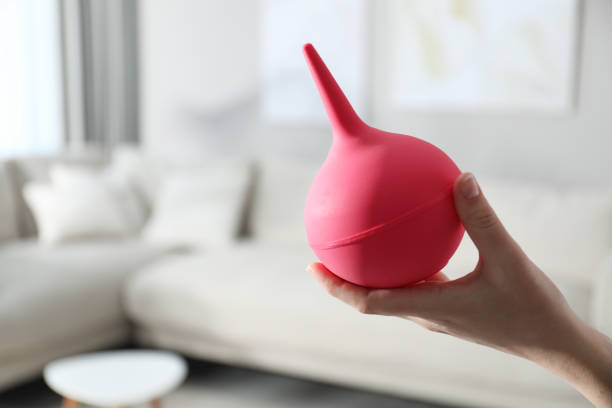
Beyond the Bulb Syringe: Why Colon Hydrotherapy Offers a More Thorough Cleanse

For those seeking intestinal cleansing, the choice between a home enema and a clinical colonic session matters more than most realize. Here’s what the research and practitioners say.
For centuries, humans have used water-based methods to cleanse the lower intestine — from ancient Egyptian reed-pipe procedures to the rubber enema bags that became household staples in the twentieth century. Today, a more sophisticated descendant of that tradition has found a place in integrative wellness clinics worldwide: colon hydrotherapy, also called colonic irrigation or colonics.
The distinction between the two approaches is not merely cosmetic. Where a standard enema targets only the sigmoid colon and rectum — roughly the last 8 to 12 inches of the large intestine — a colonic session is designed to flush the entire length of the colon, spanning approximately five feet of digestive real estate. That difference in reach has meaningful practical implications.
Reach and Coverage
The colon is divided into four main segments: the ascending, transverse, descending, and sigmoid sections. An enema, because it relies on gravity and a fixed volume of water (typically one to two litres), rarely exerts enough pressure or hydration to travel beyond the sigmoid. Waste loosened in the upper segments remains in place.
During a colonic, a therapist uses a low-pressure system to introduce filtered, temperature-controlled water in repeated fill-and-release cycles. This cyclical action — sometimes called the “wave method” — gradually softens and mobilises material throughout the entire colon. Practitioners report that the ascending colon, the section farthest from the rectum and inaccessible to enemas, is routinely cleared during a full session.
“Think of an enema as rinsing the bottom of a bottle. A colonic rinses the whole bottle.”
Water Volume and Temperature Control
A home enema kit introduces a fixed, one-time volume of water with no ability to adjust temperature precisely. Colon hydrotherapy equipment, by contrast, includes thermostatic controls that keep water within a narrow therapeutic range — typically 37–38 °C, close to body temperature — reducing the risk of cramping or bowel shock. The continuous flow, which may total 25 to 60 litres across a session, is managed in controlled pulses rather than a single flood, allowing the colon wall to relax between cycles and accept water more deeply.
Hygiene and Safety Standards
Home Enema
- Reusable equipment requires manual sterilisation
- No professional oversight
- Risk of improper insertion technique
- No filtered or temperature-controlled water
- No monitoring of pressure or flow rate
Colon Hydrotherapy
- Single-use disposable speculum and tubing
- Therapist-supervised throughout
- Consistent insertion method
- Multi-stage filtered water supply
- Pressure and flow regulated by device
Reputable clinics use equipment certified to medical-device standards (such as FDA Class II clearance in the United States or CE marking in Europe). The closed-system design most commonly used today means waste is evacuated through a sealed tube directly to drainage, eliminating odour and the unpleasantness associated with traditional open-basin methods or home enema administration.
Therapeutic Observation and Personalisation
A trained colon hydrotherapist does more than operate equipment. They observe the material released during a session — noting consistency, colour, and any signs of gas or mucous — and can adjust the session accordingly. This real-time assessment is entirely absent from a home enema. Practitioners may also incorporate abdominal massage to encourage peristalsis and facilitate movement in areas of the colon that are slow to respond.
Many therapists are also trained to advise on supporting measures: probiotic replenishment after a session, dietary adjustments, hydration habits, and stress-management techniques that affect gut motility. The clinical visit thus functions as a more holistic consultation, not merely a mechanical procedure.
Comfort and the Psychological Dimension
First-time enema users frequently report discomfort from cramping, urgency, and the awkwardness of self-administration. The process requires a degree of physical flexibility and body awareness that not everyone finds easy to achieve. A colonic session, by contrast, is performed lying on a treatment table with professional assistance. Many individuals find the relaxed environment — often accompanied by low lighting and guidance from the therapist — significantly reduces anxiety and physical discomfort relative to a self-administered enema.




Leave a Reply
Your email is safe with us.