

Benefits and Risks of Colon Hydrotherapy
Colon hydrotherapy, also known as colonic irrigation, is gaining popularity in the wellness community. This procedure involves flushing the colon with water to remove waste and toxins. Proponents claim it offers numerous health benefits.
Many believe colon hydrotherapy can improve gut health and enhance digestion. It is said to increase energy levels and promote nutrient absorption. Some people use it as a detoxification method.
The procedure involves inserting a tube into the rectum to introduce water into the colon. Sessions typically last between 45 minutes to an hour. It is often used as preparation for medical procedures like colonoscopies.
However, colon hydrotherapy is not without risks. Potential side effects include dehydration, electrolyte imbalance, and bowel perforation. Some individuals may experience cramping, bloating, or nausea during or after the procedure.
Proper preparation is crucial for a safe experience. This includes dietary adjustments and staying hydrated. Consulting with a healthcare provider before undergoing colon hydrotherapy is essential.
Critics argue that the body naturally detoxifies itself, making the procedure unnecessary. There is limited scientific evidence supporting the health benefits claimed by proponents. It is not recommended for individuals with certain medical conditions.
Despite the controversy, many people report feeling lighter and more energized after the procedure. Colon hydrotherapy is part of a broader trend of detoxification and wellness practices. It is important to research and choose a reputable practitioner.
In this article, we will explore the benefits and risks of colon hydrotherapy. We will also discuss how to prepare for a session and what to expect. Understanding both sides of the debate can help you make an informed decision.
What Is Colon Hydrotherapy?
Colon hydrotherapy is a process aimed at cleansing the large intestine. This involves flushing the colon with water to remove waste. Advocates suggest this practice supports detoxification and improves gut health.
The procedure involves the gentle infusion of water into the colon through the rectum. A professional practitioner handles the session, ensuring safety and effectiveness. Water is introduced into the colon, helping dislodge built-up waste.
Key Aspects of Colon Hydrotherapy:
- Gentle water infusion into the colon
- Conducted by certified professionals
- Designed to cleanse and detoxify
During a session, water flows in and out of the colon, washing away impurities. The process is not invasive but requires a professional touch. Practitioners use specialized equipment to maintain a controlled environment.

The equipment used is usually regulated by health authorities, like the FDA. This ensures that the machines used meet safety standards. Proper sanitation and hygiene are essential in the procedure.
Colon hydrotherapy is sometimes known by other names. Colonic irrigation and colon cleansing are common terms. All these describe the same procedure designed to cleanse the colon.
The practice can vary slightly based on equipment and methods. Gravity-fed systems or machine-assisted systems are popular choices. Each method aims to ensure a thorough cleaning of the colon.
Colon hydrotherapy is often part of holistic health regimens. People may use it alongside dietary changes and lifestyle modifications. This integrative approach targets overall well-being and gut health.
As colon hydrotherapy continues to attract attention, it’s essential to understand its processes. Knowing what the procedure entails helps prospective users make informed choices. Always consult healthcare providers before beginning any alternative therapy.
History and Origins of Colon Cleansing
Colon cleansing has deep historical roots that trace back centuries. Ancient civilizations believed in the importance of a clean gut. They used various methods to purge the body of impurities.
In ancient Egypt, colon cleansing was a common practice. Egyptians used rectal enemas to maintain health and vitality. This method was seen as a path to longevity and well-being.
Similarly, the Greeks practiced colon cleansing. Influential figures like Hippocrates noted the benefits of cleanliness in the digestive tract. They believed it helped prevent disease and promote health.

Ancient Colon Cleansing Practices:
- Egyptian rectal enemas for health
- Greek use of enemas based on Hippocratic teachings
- Ritual cleansing in ancient Ayurvedic medicine
Ayurveda, the traditional Indian medicine, also valued colon cleansing. Known as Panchakarma, it included therapies for expelling toxins. Colon cleansing was an essential step in detoxifying the body.
During the late 19th and early 20th centuries, colon cleansing gained popularity in Europe and America. Advocates believed removing toxins from the colon could prevent disease. Though methods have evolved, the central idea remains.
Today, colon hydrotherapy continues this historical tradition. Modern techniques have refined ancient methods. Technology and safety standards provide a safer, more controlled experience.
As interest in alternative medicine grows, awareness of historical practices like colon cleansing increases. This interest reflects a broader trend towards natural health. Understanding its origins helps contextualize its role in modern wellness.
How Colon Hydrotherapy Works: The Procedure Explained
Colon hydrotherapy involves flushing the colon with water. This process aims to remove waste and toxins. The method uses a gentle approach to cleanse the colon efficiently.
A trained practitioner performs the procedure. They begin by inserting a small tube into the rectum. Water flows slowly through this tube to cleanse the colon.
The water temperature and pressure are carefully controlled. This ensures comfort and effectiveness. The practitioner monitors the session closely for any signs of discomfort.
Steps Involved in Colon Hydrotherapy:
- Initial consultation with practitioner
- Gentle insertion of the tube into the rectum
- Controlled inflow of water into the colon
- Waste and water expelled through another tube
- Monitoring and adjusting during the session
During the session, water is introduced into the colon. This helps soften and loosen waste matter. The solution is then expelled, taking with it waste and toxins.
Each session lasts between 45 minutes to an hour. This time frame allows for a thorough cleaning of the colon. Clients may experience multiple filling and emptying cycles.
Some practitioners use gravity-fed systems. These rely on natural gravity to move water through the colon. Others employ machine-assisted systems, providing more precise control.

Equipment Used in Colon Hydrotherapy:
- Sterile disposable tubing
- Temperature and pressure-controlled water source
- Gravity-fed or machine-assisted systems
- Waste collection container
- Monitoring equipment for practitioner use
Safety and hygiene are paramount during colon hydrotherapy. Equipment is sterilized or disposable to prevent contamination. Practitioners follow strict guidelines to ensure a safe session.
Before beginning, the practitioner may ask about your health history. This ensures no contraindications exist for the procedure. Open communication is key to a comfortable and effective experience.
Clients often report feeling lighter and refreshed after a session. Some notice an improvement in digestion and energy levels. While individual experiences can vary, many find it a beneficial addition to their wellness routine.
Colon Hydrotherapy Prep: How to Prepare for Your Session
Preparing for colon hydrotherapy is essential for an effective experience. Proper preparation can help maximize the benefits and minimize discomfort.
Hydration plays a crucial role. Ensure you drink plenty of water in the days leading up to your session. Staying hydrated helps soften stools and support the cleansing process.
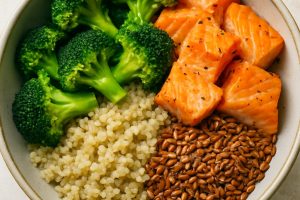
Dietary adjustments are recommended. Focus on consuming light, easily digestible foods. Avoid heavy, processed, or fried meals as much as possible.
Foods to Include Before Your Session:
- Fruits and vegetables
- Whole grains and legumes
- Lean proteins, like fish or chicken
Foods to Avoid Before Your Session:
- Dairy products
- Red meat
- Caffeinated and alcoholic beverages
The night before your appointment, consider light meals. Some practitioners suggest a liquid diet to ease the digestive load. Soups and broths are good options in such cases.
On the day of the procedure, arrive comfortably dressed. Loose-fitting clothes can enhance your comfort. It’s best to avoid tight-fitting attire.
It’s important to discuss any medications or health conditions with the practitioner. Some medications may affect the procedure, requiring adjustments.
Mental preparation is also valuable. Approach the session with a relaxed mindset. Take deep breaths and focus on the potential benefits.
Consulting with the practitioner beforehand helps address any concerns. Clear communication fosters a more supportive experience. Knowing what to expect can ease any apprehensions you may have.
Being well-prepared enhances the chances of a positive outcome. Proper colon hydrotherapy prep allows you to experience the full benefits of the procedure in a safe manner.
Claimed Benefits of Colon Hydrotherapy
Colon hydrotherapy, often known as a “colonic,” claims numerous benefits. Proponents believe it enhances overall well-being and internal balance.
One key benefit is the potential improvement of gut health. By flushing out waste, colon hydrotherapy can help promote a healthier digestive environment.
Enhanced digestion is another reported advantage. Better digestion may lead to improved nutrient absorption. This can contribute to increased energy and vitality.
Some claim it boosts detoxification. By clearing the colon, the procedure may help the body rid itself of toxins.
Colon hydrotherapy is said to support better bowel movements. Regular sessions might alleviate symptoms like constipation and irregularity.
Reported Benefits of Colon Hydrotherapy:
- Enhanced gut flora and microbiome balance
- Improved digestion and waste elimination
- Increased energy and vitality

Another suggested benefit is clearer skin. By removing toxins, some people notice reduced acne and improved skin conditions.
Weight management is also mentioned as a potential advantage. Some people use colon hydrotherapy to kickstart weight loss programs.
The therapy may help enhance mood and mental clarity. By reducing toxin overload, it can leave you feeling more focused.
For athletes, improved recovery and performance are possible benefits. Flushing out waste might aid quicker recovery and better workouts.
Finally, colon hydrotherapy may contribute to a stronger immune system. Some believe that a cleaner colon helps bolster natural defenses.
Gut Health and the Microbiome
The link between colon hydrotherapy and gut health is a key focus. A balanced microbiome plays a crucial role in overall wellness.
By flushing the colon, the therapy may help balance gut bacteria. This balance can support digestive efficiency and immune health.
Ways Colon Hydrotherapy May Impact Gut Health:
- Removal of harmful bacteria and toxins
- Stimulation of beneficial bacterial growth
- Improvement of gut-lining health

Maintaining a healthy gut is essential for proper digestion. A balanced gut microbiome may also help reduce inflammation in the body.
Some proponents believe the procedure encourages beneficial bacteria. This can aid in breaking down food and absorbing nutrients.
A healthier gut microbiome is linked to better mental health. An optimal balance may reduce symptoms like anxiety and depression.
Colon hydrotherapy might help prevent gut-related diseases. Reducing harmful bacteria can lower the risk of conditions like IBS.
Integrating colon hydrotherapy with a healthy lifestyle is important. Eating fiber-rich foods and staying active supports long-term gut health.
Detoxification and Waste Removal
Detoxification is a popular claim among colon hydrotherapy advocates. The procedure aims to cleanse the body by removing waste.
The human body has its detoxification pathways. However, colon hydrotherapy is believed to enhance these natural processes.
How Colon Hydrotherapy May Aid Detoxification:
- Flushing out accumulated waste
- Reducing toxin levels in the body
- Promoting faster elimination of waste

By removing waste, the body can function more efficiently. This might lead to less bloating and discomfort after meals.
Proponents suggest that detoxification can improve skin health. Removing internal toxins may help clear blemishes and improve complexion.
The therapy may also reduce symptoms of bloating and gas. This can lead to a feeling of lightness and increased comfort.
Being part of detox diets, colon hydrotherapy is often a starting point. It prepares the body for more sustainable, healthy lifestyle changes.
As always, balance is crucial. Incorporating healthy habits and maintaining hydration supports natural detoxification processes.
Digestive Health and Symptom Relief
Colon hydrotherapy has been linked to improved digestive health. Many users report relief from various digestive symptoms.
The procedure may help regulate bowel movements. By removing buildup, it can promote smoother and more regular elimination.
Potential Digestive Benefits:
- Relief from constipation and irregularity
- Reduction of bloating and gas
- Enhanced nutrient absorption

Better digestion can also have indirect benefits. More efficient digestion is linked to increased energy levels throughout the day.
Relief from symptoms like bloating can contribute to greater comfort. This may lead to more enjoyable and less restrictive meals.
Colon hydrotherapy might aid individuals with digestion-related discomforts. Conditions like IBS could see symptomatic improvements.
It’s said that improved digestion also supports mental clarity. By reducing discomfort, the mind feels clearer and more focused.
Lastly, colon hydrotherapy should complement other digestive health practices. A balanced diet and healthy lifestyle can enhance its effects and promote sustainability.
Scientific Evidence: What Does Research Say?
Colon hydrotherapy claims various benefits, but scientific backing is limited. The medical community remains cautious regarding its efficacy.
Research into colon hydrotherapy is sparse. Few rigorous studies confirm its claimed health benefits.
Some studies explore its impact on gut health. However, evidence supporting long-term benefits is not conclusive.
The procedure’s purported detoxifying effects lack robust scientific support. Critics argue that the body naturally detoxifies.
Key Points on Scientific Findings:
- Limited scientific evidence supports health claims
- Research on detox benefits is inconclusive
- Alternative medicine often relies on anecdotal evidence

The safety and risks of colon hydrotherapy have been more extensively studied. Potential dangers must be considered before trying it.
Side effects such as dehydration and electrolyte imbalance are documented. These can pose significant health risks.
Properly conducted studies highlight the importance of medical consultation. Individuals should consult healthcare professionals prior to undergoing hydrotherapy.
It’s worth noting that colon hydrotherapy might provide short-term symptom relief. But, long-term solutions require a comprehensive health plan.
Healthcare professionals emphasize a balanced diet and lifestyle. These are more effective for long-term gut health improvement.
Further research is necessary. The medical community requires more evidence to fully support or refute the claims.
To conclude, colon hydrotherapy may not be a guaranteed method for improved health. Its role should be considered within a larger wellness context.
Potential Risks and Side Effects of Colon Hydrotherapy
While colon hydrotherapy is popular, it’s not without risks. Understanding these risks is crucial for anyone considering the procedure.
Dehydration is a common side effect. The procedure can remove significant amounts of water from the body.
Another risk is an electrolyte imbalance. This can affect key bodily functions and necessitates caution.
Bowel perforation, although rare, is a severe risk. This occurs when the colon wall is damaged during the procedure.
Those with pre-existing conditions could experience complications. It’s vital to disclose any medical history to practitioners.
Common Side Effects:
- Cramping and abdominal discomfort
- Bloating and gas
- Nausea during or after the procedure

Some people report feeling bloated post-session. This discomfort can last a few hours.
Nausea can accompany the process. It’s often temporary but worth noting.
Infections can occur if the equipment is not sterile. This underscores the importance of hygiene standards.
Electrolyte imbalances can lead to muscle spasms. In severe cases, hospitalization might be required.
Dehydration can exacerbate existing health issues. Staying well-hydrated is essential after the procedure.
Severe Risks:
- Bowel perforation
- Electrolyte imbalance
- Severe dehydration

Serious side effects necessitate immediate medical attention. Recognizing symptoms can prevent complications.
Patients with severe symptoms post-procedure should seek help. Recognize when discomfort exceeds normal levels.
Who Should Avoid Colon Hydrotherapy?
Certain individuals should steer clear of colon hydrotherapy. Awareness of such conditions ensures safety.
Pregnant women are advised against it. The procedure might induce unnecessary stress on the body.
People with kidney disease should avoid this practice. Electrolyte imbalances can exacerbate their condition.
Individuals suffering from heart disease face increased risks. The procedure can lead to complications affecting cardiovascular health.
Conditions Unsuitable for Colon Hydrotherapy:
- Severe hemorrhoids
- Heart disease
- Kidney disease
- Diverticulitis

History of bowel surgeries is another contraindication. The procedure might result in serious complications.
Severe anemia makes the procedure risky. Blood supply issues can complicate recovery and exacerbate anemia.
Crohn’s disease sufferers should avoid colon hydrotherapy. It might worsen inflammation or cause flare-ups.
Those with compromised immune systems should consider alternatives. The procedure may increase infection risks.
Intestinal obstructions make colon hydrotherapy dangerous. Introducing water into an obstructed colon can be harmful.
Before considering the therapy, consult a healthcare professional. They can assess your suitability based on medical history.
Safety Guidelines and Choosing a Practitioner
Choosing the right practitioner is crucial for a safe colon hydrotherapy experience. Credentials and experience should top your list of considerations.
Certified practitioners should have formal training. Request to see their certification and inquire about their experience level.
Their hygiene practices are essential. Ensure that equipment is sterilized properly to mitigate infection risk.
Ask about their procedure. Understanding their process can help ease anxiety and clarify expectations.
Communication with the practitioner is key. Transparency about your health and any symptoms you experience is important.
Key Considerations When Choosing a Practitioner:
- Certification and credentials
- Experience in administering colon hydrotherapy
- Hygiene and safety standards
- Communication skills

Research potential practitioners online. Reviews and testimonials can offer insights into patient experiences.
Trust your instincts. If a practice feels off or questions remain unanswered, seek another option.
Verify the legitimacy of the facility. It should operate within health regulations and follow best practices.
Discuss potential risks beforehand. An informed discussion with your practitioner can address any concerns.
The practitioner should explain preparation steps clearly. Proper prep contributes to a successful and safe session.
Your health history is vital. Disclose relevant health information to help the practitioner assess the procedure’s suitability.
By following these safety guidelines, you can have a more comfortable and secure colon hydrotherapy experience.
What to Expect During and After a Session
During a colon hydrotherapy session, you’ll likely feel a mix of curiosity and anticipation. Knowing what to expect can reduce anxiety.
The session begins with a briefing from the practitioner. They’ll explain the procedure and answer any last-minute questions.
You’ll change into a gown and lie on a treatment table. This position is designed for comfort and accessibility.
A lubricated tube is gently inserted into the rectum. Warm water will flow through the tube into the colon.
Throughout the session, the practitioner may massage your abdomen. This technique helps dislodge waste and encourages its removal.
Sessions usually last between 45 minutes to an hour. Any discomfort should be mild and discussed with the practitioner.

What to Expect During the Procedure:
- Briefing and questions answered
- Change into a gown and lie down
- Gentle insertion of the tube
- Warm water flows into the colon
- Mild abdominal massage by the practitioner
After the procedure, you might feel a need to use the restroom. This is normal and expected as your body expels residual water and waste.
Many individuals report feeling lighter and more energized post-session. However, this experience can vary from person to person.
It’s essential to rehydrate after the session. This practice helps to replenish any fluids lost during the process.
Some may experience mild cramping or bloating afterwards. These symptoms usually subside quickly and are temporary.
Following post-session care instructions is crucial. They can help minimize potential side effects and enhance benefits.
Reflecting on how you feel post-session can guide your decision on future sessions. Keep track of any symptoms or changes you notice.
Overall, knowing what to expect can make the experience smoother and help you gauge its impact on your digestive health.
Colon Hydrotherapy vs. Other Colon Cleansing Methods
Colon hydrotherapy is one of several methods aimed at cleansing the colon. But how does it compare to other techniques?
Other common methods include herbal supplements, enema kits, and over-the-counter cleanses. Each method has its own approach and efficacy claims.
Herbal supplements often contain ingredients like psyllium husk or aloe vera. These aim to promote bowel movements and expel toxins naturally.
Enema kits offer a more direct cleanse. They involve inserting a solution, often water or coffee, into the rectum to flush the colon.

Comparing Colon Hydrotherapy to Other Methods:
- Herbal Supplements: Utilize natural ingredients to encourage cleansing
- Enema Kits: Direct flushing using liquid solutions
- Over-the-Counter Cleanses: Often include chemical laxatives or fibers
Over-the-counter cleanses, on the other hand, may use laxatives or high-fiber ingredients to stimulate bowel activity. These cleanses are often marketed for detox purposes.
Colon hydrotherapy involves a more comprehensive flush, using a continuous flow of water to clean the colon. It differs from these alternative methods in depth and technique.
While some prefer the thoroughness of hydrotherapy, others find ease in supplement use. Personal preference and needs often guide the choice.
When considering colon cleansing, understanding the differences and potential effects of each method can help make an informed decision.
Cost, Accessibility, and Insurance Coverage
Colon hydrotherapy’s cost varies based on location and provider. Typically, the procedure may range from $50 to $150 per session. Prices can be higher in urban centers or specialized wellness clinics.
Accessibility can be a barrier for some, with services mostly available in urban areas. While wellness clinics and spas often offer these services, rural regions may have fewer options.
Insurance coverage for colon hydrotherapy is generally limited. Most insurance plans do not cover the procedure as it is considered alternative therapy. Patients should consult with their insurer for potential coverage.
When budgeting for colon hydrotherapy, consider these factors:
- Session costs vary widely
- Availability depends on geographic location
- Insurance typically doesn’t cover the procedure
Investigating options locally and checking for any promotional offers can help manage costs. As always, ensuring a certified practitioner provides the service is crucial for safety.
Frequently Asked Questions About Colon Hydrotherapy
Is colon hydrotherapy safe?
Colon hydrotherapy is generally safe when performed by a certified practitioner. It is crucial to consult with a healthcare provider beforehand. This ensures no pre-existing conditions could cause complications.
What should I expect during a session?
During a session, you will lie on a table while water is gently introduced into the colon through a tube. The process usually lasts around 45 minutes to an hour. Practitioners may perform light abdominal massages to facilitate the cleansing process.
How should I prepare for my session?
Preparation involves making dietary changes and staying hydrated. Avoid caffeine, alcohol, and heavy meals before your appointment. It’s also important to wear comfortable clothing.
Are there any side effects?
Some individuals might experience mild side effects like cramping or bloating. These symptoms are usually temporary. Serious side effects are rare but can include dehydration or electrolyte imbalance.
What are the benefits of colon hydrotherapy?
Advocates claim it can boost energy, improve digestion, and enhance overall gut health. However, clinical evidence remains limited and varies per individual experience.
Who should avoid colon hydrotherapy?
People with certain medical conditions should avoid this procedure. These include those with severe hemorrhoids, diverticulitis, or recent bowel surgery. Always consult a healthcare provider before scheduling a session.
Common Questions Include:
- Is the procedure painful?
- How often should one undergo the therapy?
Preparing for the Session Involves:
- Adopting a light diet
- Staying well-hydrated
Colon Hydrotherapy as Part of a Holistic Wellness Plan
Colon hydrotherapy is often integrated into broader wellness routines. Many practitioners advocate it as a component of holistic health practices. It’s thought to enhance body and mind synergy.
This therapy aligns well with detox programs. Proponents believe it supports the body’s natural cleansing processes. It can be combined with other methods like dietary adjustments and herbal supplements.
Holistic health looks at the whole person—not just symptoms. In this framework, colon hydrotherapy may enhance overall vitality. It aims to promote not just digestive health but also mental and emotional well-being.
Adopting a comprehensive lifestyle can include regular exercise and stress management. These help balance gut health. Colon hydrotherapy can be considered an adjunct to these healthy habits.
When approached thoughtfully, this therapy complements holistic wellness. As always, individual results may vary. Consulting with both traditional and alternative healthcare providers is advisable to tailor an effective plan.
Key Elements of a Holistic Wellness Plan
- Balanced diet rich in fruits and vegetables
- Regular physical activity
- Stress management techniques
- Adequate hydration

Myths and Misconceptions
Colon hydrotherapy is surrounded by various myths. Some think it’s a magic cure for all digestive issues. This is not accurate.
Others believe it’s painful or intrusive. When done properly, it’s generally comfortable. Misunderstandings can cause unnecessary fear.
Misconceptions also exist about its necessity. Critics argue that the body cleanses itself naturally. They see external assistance as redundant.
List of Common Misconceptions:
- It cures all digestive problems
- The procedure is painful
- It is necessary for detoxification
Understanding the facts can help in making informed decisions. Always consider speaking to healthcare professionals. Reliable sources provide clarity amidst myths.
Final Thoughts: Is Colon Hydrotherapy Right for You?
Deciding on colon hydrotherapy is a personal choice. It depends on individual health goals and conditions. Thorough consideration is essential.
Consultation with a healthcare provider is crucial. They can provide guidance based on your medical history. A professional opinion helps tailor the decision to your needs.
Weighing the benefits and risks is important. Colon hydrotherapy claims to enhance gut health and detoxification. However, potential side effects also exist.
List to Consider:
- Personal health goals
- Medical history and conditions
- Professional medical advice
Some individuals report feeling rejuvenated after sessions. Yet, it’s not a guaranteed solution for everyone. Ensure it aligns with your overall wellness plan.
Making informed choices contributes to a healthier lifestyle. Personal circumstances and preferences should guide your decision. Colon hydrotherapy might fit your wellness journey or might not.



Leave a Reply
Your email is safe with us.