
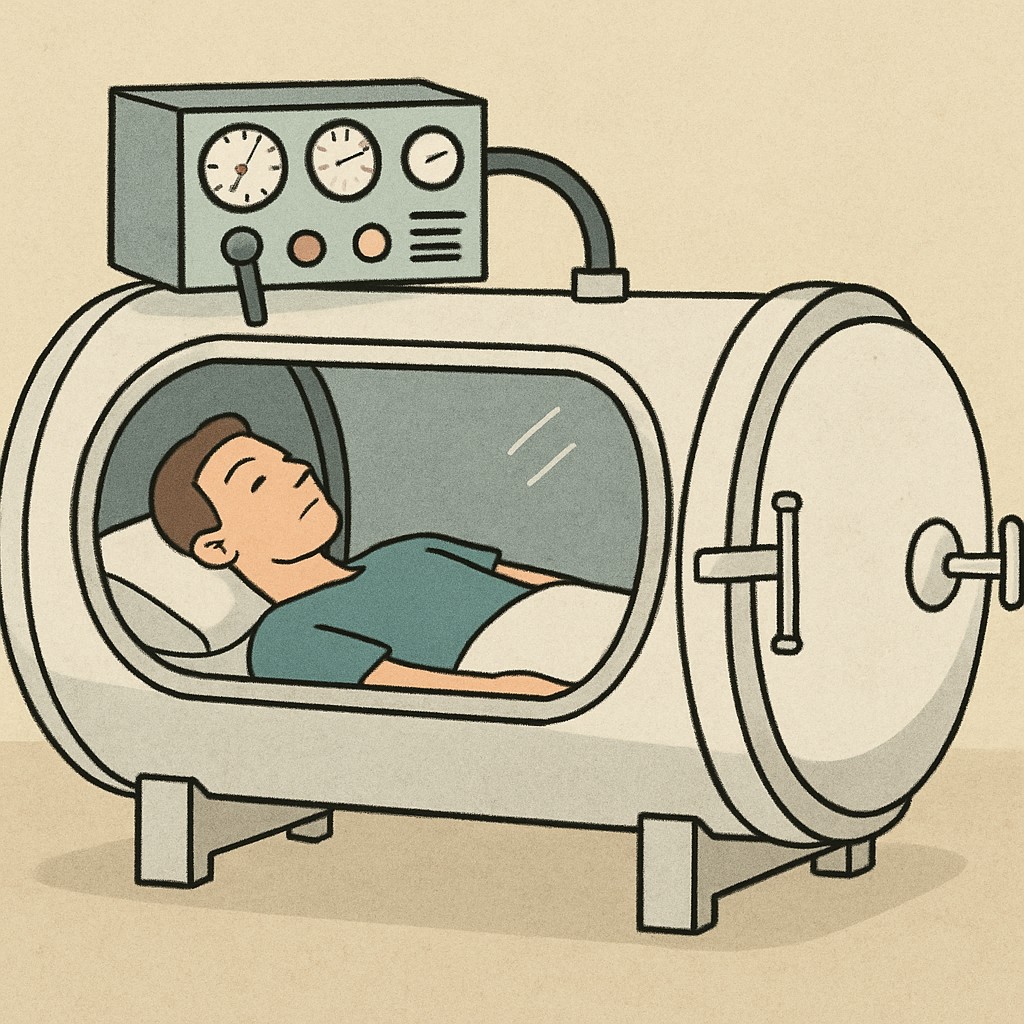
Benefits of Hyperbaric Chamber Oxygen Therapy
Hyperbaric Chamber Oxygen Therapy is gaining attention for its potential health benefits. This therapy involves breathing pure oxygen in a pressurized chamber. It is a non-invasive treatment with a range of applications.
The therapy is used to treat various medical conditions. These include decompression sickness, carbon monoxide poisoning, and chronic wounds. It enhances the body’s natural healing processes.
By increasing oxygen concentration in the blood, the therapy promotes faster healing. It can reduce inflammation and improve circulation. This can lead to the growth of new blood vessels.
Hyperbaric oxygen therapy is FDA-approved for 14 medical conditions. It is also being researched for other potential benefits. These include treating neurological conditions like stroke and traumatic brain injury.
The therapy is popular in sports medicine. Athletes use it to accelerate recovery from injuries. It can enhance the effectiveness of antibiotics and improve immune function.
Patients typically undergo multiple sessions. Each session lasts about 60 to 90 minutes. The therapy is generally considered safe with minimal side effects.
Hyperbaric chambers are available in hospitals and specialized clinics. Some wellness centers also offer this therapy. It is a promising option for those seeking alternative treatments.
The therapy can improve cognitive function and mental clarity. It may also help reduce the effects of radiation therapy in cancer patients. Overall, it offers a wide range of potential health benefits.
What Is Hyperbaric Chamber Oxygen Therapy?
Hyperbaric Chamber Oxygen Therapy, often abbreviated as HBOT, is a medical treatment that involves breathing pure oxygen in a chamber set at a higher than normal atmospheric pressure. This method aims to increase the amount of oxygen your blood can carry, promoting faster healing.
The Process
During the therapy session, patients enter a special chamber. The air pressure inside is increased up to three times higher than normal air pressure. This allows your lungs to gather more oxygen than would be possible when breathing pure oxygen at normal air pressure.
Oxygen Chambers
There are two types of chambers used: monoplace and multiplace. A monoplace chamber holds one person lying down, while a multiplace chamber holds several individuals at once. Each type serves specific needs depending on the condition being treated.
- Monoplace chamber: Accommodates one patient.
- Multiplace chamber: Can hold multiple patients simultaneously.
- Portable chambers: Useful for home treatments.
Conditions Treated
HBOT is used to treat a variety of medical issues. These include decompression sickness experienced by divers and carbon monoxide poisoning. It’s also employed for chronic non-healing wounds.
Non-Invasive Treatment
This non-invasive therapy is recognized for its effectiveness and safety. Many patients report minimal side effects, which may include temporary ear popping due to changes in air pressure.
Availability
Patients can access this therapy in hospitals and specialized clinics. Some wellness centers also provide it, making HBOT widely accessible.
Research and Potential
Researchers continue to explore new uses for hyperbaric oxygen therapy. Its potential to improve outcomes in neurological conditions and enhance athletic recovery is of keen interest.

Summary
In summary, hyperbaric oxygen therapy offers a powerful method to aid healing and treat specific medical conditions through enhanced oxygen delivery. With its growing list of applications, it stands as a promising therapeutic option.
How Does Hyperbaric Oxygen Therapy Work?
Hyperbaric Oxygen Therapy (HBOT) works through simple science. The therapy uses higher pressure to dissolve more oxygen into the bloodstream. This increased oxygen level enhances body healing.
The Science Behind It
Under high pressure, oxygen molecules become smaller. They can penetrate body tissues more efficiently. This boosts natural healing processes.
Oxygen Transport
The lungs absorb the oxygen, which is transported throughout the body in the bloodstream. Increased levels help repair cells and tissues.
Benefits of Oxygen Saturation
- Enhanced Healing: Accelerates tissue repair.
- Reduced Swelling: Decreases inflammation.
- Increased Circulation: Promotes new blood vessel formation.
Cellular Regeneration
More oxygen means faster cell regeneration. This can significantly improve healing rates for various conditions.
Inflammation and Pain
HBOT has a powerful anti-inflammatory effect. Reduced inflammation can decrease chronic pain and improve mobility.
Immune Support
This therapy boosts immune function. It helps the body fight infections more effectively by enhancing white blood cell activity.
Real-World Applications
HBOT’s benefits extend to treating infections and improving recovery from injuries. It’s used in a wide array of clinical situations and continues to expand.

Conclusion
In conclusion, HBOT works primarily by enhancing oxygen availability to tissues. This underpins its vast therapeutic potential.
History and Development of Hyperbaric Oxygen Therapy
Hyperbaric Oxygen Therapy (HBOT) has a rich history. Its origins date back to the 1600s. Early uses were quite experimental and often misunderstood.
Early Discoveries
In 1662, a British clergyman named Henshaw developed a chamber to treat respiratory diseases. He called it the “Domicilium.”
Advances in Medicine
In the 19th century, French physician Fontaine introduced oxygen with pressure. His work marked the beginning of modern HBOT practices.
Military and Aerospace Uses
During World War I, HBOT was used to treat decompression sickness. This need arose from deep-sea diving accidents among military personnel.
Mid-20th Century Developments
The 1960s saw significant progress. Researchers recognized HBOT’s potential for healing problematic wounds and infection control.
Recognized Medical Applications
Today, HBOT is FDA-approved for 14 medical conditions. It’s gaining acceptance in both emergency and elective medical fields.
Current Research and Innovations
Recent advancements have expanded HBOT’s applications. From helping neurological conditions to supporting recovery from plastic surgery.
Milestones in HBOT Development
- 1662: First chamber – the “Domicilium.”
- 1960s: Use in wound healing popularized.
- Present: FDA-approved and globally recognized.
Conclusion
From its humble beginnings to present-day sophistication, HBOT has evolved remarkably. Continued research promises a bright future.
Types of Hyperbaric Chambers
Hyperbaric chambers come in various forms. Each has unique characteristics and applications. They all serve the primary purpose of delivering increased oxygen levels.
Monoplace Chambers
Monoplace chambers are designed for one person. They are often transparent and resemble a long tube. Patients lie down inside, breathing pure oxygen.
Multiplace Chambers
These chambers accommodate multiple people at once. Patients either sit or lie inside, wearing masks or hoods. This allows several individuals to be treated simultaneously.
Portable Chambers
Portable chambers are flexible and lightweight. They are often used for home therapy. While not as powerful, they offer convenience.
Veterinarian Chambers
Special chambers exist for animals. These veterinarian-specific units help treat conditions in pets, such as wound healing or post-surgery recovery.
Research and Commercial Chambers
Some chambers are specialized for commercial or research purposes. They can be used for treating unique medical conditions or in experimental settings.
Comparing Chamber Types
- Monoplace Chambers: Single user, less space, direct oxygen.
- Multiplace Chambers: Multiple users, larger space, mask-based.
- Portable Chambers: Lightweight, flexible, at-home use.
Conclusion
Understanding the different types of hyperbaric chambers is essential. This ensures the appropriate chamber is chosen for treatment needs. Each type provides unique benefits, catering to diverse therapeutic requirements.
FDA-Approved and Common Medical Uses
Hyperbaric Chamber Oxygen Therapy (HBOT) has several FDA-approved medical uses. It offers effective treatment for various serious conditions. Understanding its approved uses provides insight into its versatility and potency.
Decompression Sickness and Air Embolism
HBOT is a renowned treatment for decompression sickness. It is critical for divers experiencing “the bends.” It also treats air or gas embolism, preventing life-threatening events in patients.
Severe Anemia and Carbon Monoxide Poisoning
Severe anemia requires immediate and effective intervention. HBOT aids oxygen delivery when blood transfusions aren’t possible. It’s also pivotal in addressing carbon monoxide poisoning, reversing its toxic effects swiftly.
Chronic Non-Healing Wounds and Diabetic Ulcers
Chronic non-healing wounds benefit significantly from HBOT. Diabetic foot ulcers, notorious for poor healing, improve remarkably with this therapy. This can reduce the risk of amputations.
Osteomyelitis and Skin Grafts
For refractory osteomyelitis, an infection of the bone, HBOT provides a viable solution. It helps fight infection and supports healing. Additionally, it boosts the success rate of skin grafts and flaps, fostering new tissue growth.
Radiation Injury and Thermal Burns
Radiation injuries from cancer treatments can be alleviated with HBOT. It counters damaged tissue, restoring function. Furthermore, HBOT aids recovery from thermal burns by minimizing tissue damage and supporting healing.
Common Applications Outside FDA Approval
Beyond FDA-approved uses, HBOT is often applied in other scenarios. While research is ongoing, these applications indicate its wide-ranging benefits:
- Sports Medicine: Accelerating recovery, reducing inflammation.
- Neurological Conditions: Exploring potential in stroke and traumatic brain injury.
Investigated Uses for Chronic Conditions
Researchers are uncovering new benefits of HBOT. Potential applications for conditions like fibromyalgia and chronic fatigue syndrome are being explored. Results are promising, though not yet FDA-sanctioned.
Summary of Approved Uses:
- FDA-Approved: Decompression sickness, air embolism, severe anemia, carbon monoxide poisoning.
- Non-FDA Common Uses: Wound healing, sports injuries, certain infections.

Conclusion
Understanding HBOT’s FDA-approved uses enhances our appreciation of its medical significance. While further research continues, its current applications already make a significant impact on various health challenges.
Mechanisms of Action: How Oxygen Heals the Body
Hyperbaric Chamber Oxygen Therapy (HBOT) employs unique mechanisms to enhance healing. At its core, it involves breathing pure oxygen in a high-pressure environment. This simple yet powerful process drives multiple biological effects.
Increased oxygen levels in the chamber allow more oxygen to dissolve in the blood. The heightened oxygen concentration reaches beyond normal levels. This surplus oxygen promotes accelerated healing and recovery.
Enhanced Oxygen Delivery to Tissues
Tissues in need benefit significantly from increased oxygen delivery. HBOT ensures oxygen reaches even the deepest tissues. This is critical in areas with poor blood supply due to injury or disease.
Stimulation of Neovascularization
One of the remarkable effects of HBOT is neovascularization. This is the formation of new blood vessels. New vessels ensure improved blood flow to damaged tissues, aiding recovery.
Reduction of Inflammation and Edema
Hyperbaric oxygen therapy reduces inflammation by controlling oxidative stress. Less inflammation leads to reduced pain and swelling. Edema, or fluid build-up, is minimized, promoting healing.
Fighting Infections and Supporting Immune Function
Improved oxygen levels enhance immune system functions. Oxygen boosts the ability of white blood cells to fight infections effectively. This aids in combating bacteria and accelerates recovery.
Collagen Production and Tissue Regeneration
HBOT stimulates collagen production, essential for tissue repair. Collagen strengthens and mends wounds faster. It also facilitates the regeneration of cells and tissues.
Summary of Mechanisms:
- Oxygen Saturation: Increases in blood and tissues.
- Immune Boost: Enhances infection control.
- Neovascularization: Creates new, small blood vessels.

Understanding these mechanisms gives insight into HBOT’s healing potential. Its ability to drive diverse therapeutic effects makes it a valuable medical tool. Through a methodical process, HBOT supports the body’s natural healing capabilities, addressing a variety of health challenges.
Key Benefits of Hyperbaric Chamber Oxygen Therapy
Hyperbaric Chamber Oxygen Therapy offers a wide range of health benefits. It supports various bodily functions by optimizing oxygen levels. Here are some primary benefits.
Enhanced Healing and Recovery
One crucial benefit is accelerated healing. By boosting oxygen delivery, tissues repair much faster. This is particularly beneficial in treating wounds and injuries.
Improved Circulation and Cardiovascular Health
HBOT enhances circulation by helping blood vessels expand. Better circulation facilitates nutrients’ transport, promoting heart health. It’s a boon for those with circulatory challenges.
Reduction of Swelling and Inflammation
This therapy effectively reduces swelling and inflammation. This leads to less discomfort and quicker recovery. Patients often report relief from chronic pain conditions.
Enhanced Immune System Functions
With improved oxygen levels, the immune system functions better. It enhances the body’s ability to fight infections and disease. A stronger immune system is key to preventing health issues.
Cognitive and Neurological Benefits
HBOT supports brain health by improving blood flow to the brain. It can potentially enhance memory and cognitive clarity. This has promising implications for neurological conditions.
Supportive Role in Cancer Treatment
It’s known to enhance the effects of certain cancer treatments. By improving oxygen levels, it may reduce radiation therapy side effects. It also supports healthy cell function and repair.
Advantages in Cosmetic and Anti-Aging Applications
HBOT aids in skin health by promoting collagen production. Healthier skin, reduced scarring, and improved elasticity are notable benefits. It offers a promising approach to anti-aging.
Benefits in Sports Medicine and Recovery
Many athletes use HBOT for faster recovery from injuries. It reduces downtime by aiding in muscle repair and energy recovery. Enhanced recovery supports better athletic performance.
Practical Uses of HBOT:
- Wound Healing: Promotes rapid repair of tissue damage.
- Injury Recovery: Helps reduce muscle and joint pain.
Health Improvements with HBOT:
- Cardiovascular Support: Enhances circulation and heart health.
- Neurological Health: Aids cognitive function and clarity.

The extensive range of benefits positions HBOT as a versatile therapy. Whether as a standalone treatment or combined with other therapies, its potential is vast. Individuals exploring complementary health approaches find HBOT an effective option.
Through heightened oxygen delivery and diverse biological effects, HBOT caters to many health challenges. These benefits make it an attractive choice for improving overall health and well-being. As research continues, new potential benefits are likely to emerge.
Hyperbaric Oxygen Therapy for Wound Healing and Tissue Repair
Hyperbaric oxygen therapy (HBOT) is renowned for its effectiveness in wound healing. It’s particularly beneficial for chronic wounds that resist standard treatments. The primary mechanism involves high oxygen levels that enhance cell repair.
In a hyperbaric chamber, the environment is pressurized. This pressure increases oxygen concentration in the blood. Elevated oxygen levels boost healing by encouraging new blood vessel formation.
Inadequate circulation often leads to wounds not healing properly. HBOT ensures tissues receive ample oxygen, vital for repair processes. This is especially important for diabetic foot ulcers, a common issue with diabetes patients.
By reducing inflammation and swelling, HBOT promotes a better healing environment. Inflammation can impede recovery, slowing tissue repair. Lower inflammation means the body can focus its resources on healing.
The therapy can significantly enhance skin grafts’ success rate. Patients undergoing skin grafts often require supportive treatments. HBOT enhances blood supply to the graft site, improving outcomes.
Patients with burns also benefit from HBOT. The therapy reduces healing time and lowers infection risks. This is crucial in reducing scar formation and improving recovery quality.
Conditions Improved by HBOT:
- Diabetic foot ulcers
- Chronic non-healing wounds
- Burns and skin grafts

Moreover, by boosting collagen production, HBOT enhances skin health. Collagen is crucial for skin integrity and repair. This therapy’s capability to support collagen synthesis further underscores its value in tissue repair. Overall, HBOT presents a powerful adjunctive treatment for enhancing wound healing and tissue recovery.
Neurological and Cognitive Benefits
Hyperbaric oxygen therapy (HBOT) holds promise for improving brain function. It delivers increased oxygen to the brain, enhancing cognitive performance. HBOT is being studied for its effects on conditions like stroke and traumatic brain injuries.
Oxygen is crucial for brain health. More oxygen means better energy production in brain cells. This can lead to improved brain function and neural repair.
Research shows HBOT can enhance memory and mental clarity. In a high-pressure oxygen chamber, brain cells receive higher oxygen levels. This environment supports neural activity, promoting recovery from cognitive impairments.
Patients recovering from a stroke may experience significant benefits. The therapy can aid in restoring brain functions that are affected by lack of oxygen. Increased oxygen levels can help rewire the brain’s networks, aiding rehabilitation.
HBOT is also being explored for Alzheimer’s and dementia. Studies suggest it can slow cognitive decline. The therapy’s ability to enhance circulation supports these outcomes by ensuring essential nutrients reach brain cells.
Conditions Potentially Benefited by HBOT:
- Stroke recovery
- Traumatic brain injury
- Alzheimer’s and dementia
Moreover, HBOT may help in managing migraines. By increasing oxygen to the brain, it can reduce migraine frequency and severity. In summary, hyperbaric oxygen therapy offers potential neurological benefits, supporting brain health, and enhancing cognitive functions. Its ability to optimize oxygen delivery makes it a valuable tool for neurological recovery and cognitive improvement.
Hyperbaric Oxygen Therapy in Sports Medicine and Recovery
Athletes often seek methods to enhance recovery and improve performance. Hyperbaric oxygen therapy (HBOT) is gaining attention in sports medicine for its potential benefits. The increased oxygen levels delivered during HBOT can significantly aid recovery.
Injuries are common in sports. Quick recovery is essential for athletes to resume training. HBOT promotes faster healing by reducing inflammation and swelling, crucial for returning to peak performance quickly.
Oxygen plays a key role in repairing tissues. HBOT can enhance this process, making it a valuable tool for athletic recovery. Athletes experience less pain and inflammation, with accelerated healing of muscle injuries.
Sports injuries like sprains, strains, and torn ligaments may heal more rapidly with HBOT. This can lead to shorter downtimes, allowing athletes to get back on track promptly. Enhanced recovery isn’t the only benefit; HBOT also supports endurance.
By boosting oxygen delivery to tissues, it improves overall endurance and energy levels. This supports training regimens, allowing athletes to push their limits safely.
Key Benefits of HBOT in Sports Medicine:
- Faster recovery from injuries
- Reduced inflammation and swelling
- Improved endurance and energy levels

In addition, some athletes use HBOT as a preventative measure. The therapy helps maintain optimal physical conditions, reducing the likelihood of injuries. Hyperbaric oxygen therapy offers multiple advantages in sports medicine, contributing to both recovery and performance enhancement.
Immune System and Anti-Inflammatory Effects
Hyperbaric oxygen therapy (HBOT) offers notable benefits for the immune system. By increasing oxygen levels, it stimulates white blood cells, which play a crucial role in immune defense. Enhanced oxygen delivery enables these cells to function more effectively, strengthening the body’s ability to combat infections.
Inflammation is a natural response to injury or infection. However, chronic inflammation can lead to various health issues. HBOT reduces excessive inflammation by promoting better blood circulation and tissue oxygenation. This can lead to an overall decrease in inflammation and associated symptoms.
During HBOT, the pressurized environment helps in reducing edema and swelling. This can be particularly beneficial for those suffering from inflammatory conditions like arthritis or tendonitis. Decreased swelling often results in less pain and improved mobility.
One key aspect of HBOT is its ability to stimulate the production of anti-inflammatory cytokines. These molecules help calm the body’s inflammatory response, providing relief from chronic inflammation.
Immune and Anti-Inflammatory Benefits of HBOT:
- Enhances white blood cell activity
- Reduces chronic inflammation
- Decreases swelling and pain

Patients with compromised immune systems or chronic inflammatory conditions often find HBOT beneficial. By supporting natural immune responses and reducing inflammation, hyperbaric oxygen therapy contributes to improved health outcomes. These effects make it a valuable tool in managing and mitigating chronic health challenges.
Hyperbaric Oxygen Therapy for Chronic Conditions
Chronic conditions often challenge both patients and healthcare providers. Hyperbaric oxygen therapy (HBOT) emerges as a promising supplementary treatment. By enriching the bloodstream with oxygen, it can aid in managing a variety of chronic health issues.
Diabetic foot ulcers are a prevalent chronic condition. These stubborn wounds benefit from HBOT, where increased oxygen helps speed up the healing process. Patients usually see improved healing rates, potentially avoiding complications like infection or amputation.
For individuals with chronic fatigue syndrome, HBOT offers a potential boost. Enhanced oxygen levels can rejuvenate energy stores and improve overall vitality, offering relief from relentless fatigue.
In respiratory diseases such as COPD, HBOT might also play a role. It helps increase oxygen availability to damaged tissues, potentially improving lung function and breathing ease.
Neurological disorders like multiple sclerosis and Parkinson’s disease might experience symptom relief with HBOT. The therapy’s role in reducing inflammation and promoting cellular repair supports neurological health.
Chronic pain, whether from arthritis or other sources, often sees improvement from oxygen therapy. The combination of reduced inflammation and increased blood flow can ease pain symptoms. This can enhance mobility and quality of life for sufferers.
HBOT for Chronic Conditions:
- Diabetic foot ulcers
- Chronic fatigue syndrome
- Respiratory diseases (COPD)
- Neurological disorders
- Chronic pain

Hyperbaric oxygen therapy provides a valuable tool for managing chronic conditions, complementing traditional treatments. While not a standalone cure, it offers potential benefits that can enhance life quality for those suffering from long-term health issues.
Cosmetic and Anti-Aging Applications
Hyperbaric oxygen therapy (HBOT) is gaining attention in the cosmetics and anti-aging industries. It offers unique benefits for skin rejuvenation and overall appearance enhancement.
Increased oxygen levels can boost collagen production. This helps improve skin elasticity, leading to a firmer and more youthful skin texture. Individuals may notice reduced fine lines and wrinkles over time.
HBOT also supports faster healing of skin injuries. This makes it useful following cosmetic procedures, aiding in quicker recoveries and minimized scarring.
The therapy can enhance skin tone and reduce hyperpigmentation. This results in a more even complexion and radiant appearance, which many seek in skincare treatments.
Overall vitality and a refreshed look are potential benefits of regular sessions. While HBOT won’t stop aging, it can supplement a holistic anti-aging regimen.
Benefits of HBOT for Cosmetic and Anti-Aging:
- Boosts collagen production
- Speeds up recovery post-procedures
- Evens skin tone
- Reduces signs of aging

The cosmetic applications of hyperbaric therapy are expanding, making it an intriguing option for those looking to maintain a youthful appearance.
Mental Health and Well-Being
Hyperbaric oxygen therapy (HBOT) is being explored for its benefits beyond physical health. It may positively impact mental health and overall well-being.
Research suggests that increased oxygen levels could help improve mood and mental clarity. This effect can be beneficial in managing conditions like depression and anxiety.
HBOT is believed to enhance cognitive functions, including focus and memory. Individuals might experience improved concentration and mental sharpness.
Some studies indicate potential benefits for post-traumatic stress disorder (PTSD). HBOT could aid in reducing symptoms and improving quality of life for affected individuals.
The calming and rejuvenating effects of the therapy also contribute to overall mental well-being. This makes it a complementary approach to conventional mental health treatments.
Potential Mental Health Benefits of HBOT:
- Improved mood and clarity
- Enhanced cognitive functions
- Relief from stress and anxiety
- Support for PTSD management

Exploring hyperbaric oxygen therapy for mental health can offer an additional tool in promoting emotional balance and mental resilience.
What to Expect During a Hyperbaric Oxygen Therapy Session
Experiencing a hyperbaric oxygen therapy session can seem daunting at first. However, understanding the process can ease any concerns.
Sessions typically take place in a specialized environment called an oxygen chamber. You may encounter either a single-person chamber or a multi-person chamber depending on the facility.
Before the session, staff will ensure you’re comfortable and brief you on what to expect. You’ll be asked to remove certain items like watches or electronics to avoid interference.
Once inside the chamber, the pressure is gradually increased. This feels similar to the pressure changes experienced during an airplane takeoff.
A typical session lasts between 60 to 90 minutes. During this time, you can relax, read, or even nap while the therapy takes effect.
After the session, the chamber is slowly depressurized. You may feel a sensation akin to ears popping, similar to changes experienced during altitude adjustments.
What to Bring and Wear:
- Comfortable, loose-fitting clothing
- No makeup, perfumes, or hair products
- Eyeglasses if needed (no contact lenses)

Feeling prepared and knowing what to expect can make your hyperbaric oxygen therapy session a calm and therapeutic experience.
Safety, Risks, and Side Effects
Hyperbaric oxygen therapy (HBOT) is generally considered safe when administered by trained professionals. However, as with any medical treatment, there are potential risks and side effects to consider.
Most patients tolerate HBOT well with minimal discomfort. Occasionally, individuals may experience mild side effects. These can include temporary ear popping or slight discomfort due to pressure changes.
More severe side effects are rare but worth acknowledging. These can include sinus pain, rupture of the middle ear, or lung damage due to barotrauma.
Common Mild Side Effects:
- Temporary ear discomfort
- Mild fatigue post-session
- Lightheadedness
Patient safety is a top priority. Clinicians carefully monitor individuals throughout the therapy to mitigate potential issues. Proper chamber maintenance and calibration also play crucial roles in ensuring safety.
Certain pre-existing conditions may increase the risk of complications. For instance, individuals with a history of lung issues or recent ear surgery should consult their doctor beforehand.
Risk Mitigation Tips:
- Discuss all health conditions with your physician
- Ensure the facility is accredited
- Follow pre-session instructions meticulously

Always communicate with healthcare providers about any unusual sensations during or after therapy. While HBOT offers numerous benefits, being informed about potential risks ensures a safe and effective healing journey.
Who Can Benefit from Hyperbaric Oxygen Therapy?
Hyperbaric oxygen therapy (HBOT) presents a wide array of benefits for different groups of people. Individuals with specific medical conditions often see significant improvements.
Patients with chronic wounds, particularly diabetics, experience enhanced healing. Furthermore, those suffering from decompression sickness find HBOT invaluable.
Athletes frequently turn to HBOT for quicker recovery from sports injuries. This includes muscle strains and ligament tears, where oxygen therapy can reduce downtime.
People with neurological conditions, such as stroke survivors, explore HBOT for potential cognitive improvements. Additionally, patients undergoing cancer treatment may use it to offset radiotherapy side effects.
Beneficiaries of HBOT:
- Chronic wound sufferers
- Athletes recovering from injuries
- Neurological patients (e.g., stroke, brain injury)
- Cancer patients post-radiation
- Individuals with carbon monoxide poisoning
Each individual’s needs vary, and consulting with healthcare professionals is crucial to determine suitability. Understanding how HBOT can aid specific conditions facilitates informed decisions. The therapy’s accessibility in diverse settings further broadens who can benefit, making it a versatile treatment option for many.
Contraindications and Who Should Avoid HBOT
While hyperbaric oxygen therapy offers many benefits, it is not suitable for everyone. Certain health conditions and circumstances make HBOT contraindicated.
Patients with untreated pneumothorax should avoid this therapy, as increased pressure can aggravate the condition. Individuals with certain types of ear infections or sinus problems may also encounter issues.
Pregnant women, unless absolutely necessary and advised by a medical professional, should typically avoid HBOT. People with specific lung diseases, especially those sensitive to oxygen toxicity, may not be ideal candidates.
People Typically Advised Against HBOT:
- Those with untreated pneumothorax
- Patients with specific ear or sinus infections
- Pregnant women without medical necessity
- Individuals with certain lung diseases

Consulting a healthcare provider before beginning HBOT is essential. Medical evaluations ensure patient safety and optimize therapy outcomes.
How to Access Hyperbaric Oxygen Therapy
Accessing hyperbaric oxygen therapy (HBOT) involves a few simple steps. First, consult your healthcare provider. They can assess whether this therapy is appropriate for your condition.
Next, identify a facility that offers HBOT services. These are typically found in hospitals, specialized clinics, and some wellness centers. Confirm that the facility is certified and that it employs trained professionals to supervise the therapy sessions.
Steps to Access HBOT:
- Consult your healthcare provider
- Locate a certified HBOT facility
- Ensure professional supervision

Lastly, before starting treatment, verify insurance coverage or inquire about costs. Insurance providers might cover HBOT for specific conditions. Taking these steps will help in beginning your journey with hyperbaric oxygen therapy smoothly.
Frequently Asked Questions about Hyperbaric Oxygen Therapy
Many individuals are curious about hyperbaric oxygen therapy. Here are answers to some commonly asked questions.
How long is a typical session?
A typical hyperbaric oxygen therapy session lasts about 60 to 90 minutes. The duration can vary based on the treatment plan and condition being addressed.
Is HBOT safe?
Generally, HBOT is considered safe. It is non-invasive and has minimal side effects. However, it should always be administered under professional supervision.
What conditions can HBOT treat?
HBOT is FDA-approved for 14 medical conditions, including decompression sickness and chronic non-healing wounds. It can also aid in recovery from injuries and improve overall well-being.
Who should avoid HBOT?
Not everyone is a candidate for HBOT. People with certain lung conditions or ear problems should consult their doctor before undergoing this therapy.
Common Questions:
- Typical session length
- Safety of HBOT
- Conditions treated
- Who should avoid HBOT
These insights should help clarify common concerns and assist in deciding if hyperbaric oxygen therapy is right for you.
The Future of Hyperbaric Oxygen Therapy: Research and Innovations
The field of hyperbaric oxygen therapy continues to evolve rapidly. Researchers are exploring its potential beyond traditional applications. New studies aim to expand our understanding of how HBOT can benefit an even broader range of health conditions.
One exciting area of research is its impact on neurodegenerative diseases. Scientists are investigating its ability to improve outcomes for conditions such as Alzheimer’s and Parkinson’s. These studies suggest HBOT may enhance brain function and slow disease progression.
Additionally, there are ongoing trials examining HBOT’s role in cancer treatment. By increasing oxygen concentration in the body, it might enhance the effectiveness of traditional therapies. This potential synergy could lead to more comprehensive treatment strategies.
Innovations in chamber technology are also promising. Portable and affordable designs could make therapy more accessible to a wider audience.
Key Innovations and Research Areas:
- Neurodegenerative disease treatment
- Cancer therapy enhancement
- Portable chamber designs

As research continues, the future of hyperbaric oxygen therapy holds immense promise. These advances could revolutionize how we approach healing and wellness.
Conclusion: Is Hyperbaric Chamber Oxygen Therapy Right for You?
Hyperbaric Chamber Oxygen Therapy offers a range of potential health benefits. It can support healing, enhance wellness, and promote recovery. However, it’s essential to weigh these benefits against personal health needs.
Consult with a healthcare professional before starting this therapy. They can provide guidance based on your medical history and current health condition. This ensures that you make an informed decision about your treatment options.
Remember, while HBOT can be beneficial, it is not a cure-all. It’s crucial to approach it as part of a broader health and wellness strategy. Consider other treatments and lifestyle changes alongside oxygen therapy.
Considerations Before Choosing HBOT:
- Personal health conditions and goals
- Doctor’s recommendations
- Complementary treatments to enhance results
Exploring HBOT as part of your wellness journey could be worthwhile.




Leave a Reply
Your email is safe with us.