
Digestive Health
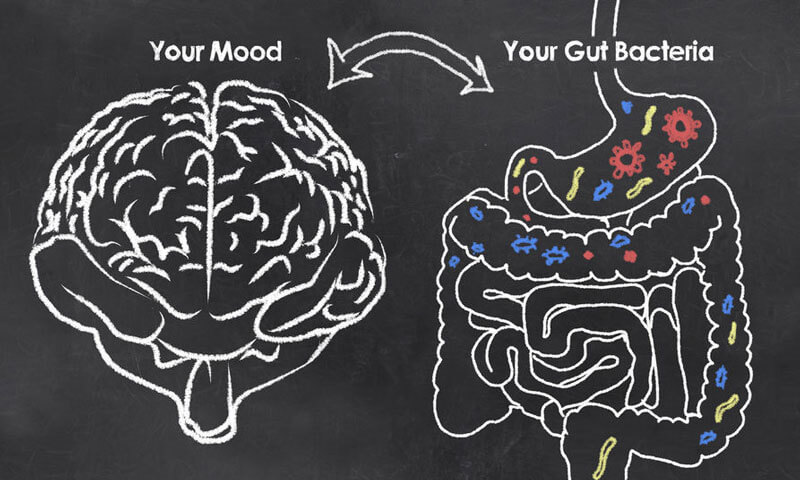
Have you ever had a “gut feeling” that something is not right when it comes to your stomach health? You may feel bloated, constipated, suffer from acid reflux or have issues with gas. The digestive system is a group of organs that consist of the mouth, esophagus, stomach, pancreas, liver, gallbladder, small intestines, colon, and rectum. It processes food and produces vitamins, enzymes, fatty acids and more. Since the gut ensures optimal digestion but also other essential health functions, it plays a vital role in operating as a communication center for the brain. The brain has an effect on the stomach and intestines.
Gut-Brain Connection
The gut-mind association is no joke; it can connect tension to stomach issues and the other way around. Do certain circumstances make you “feel sick”? Have you at any point felt “butterflies” in your stomach? The gastrointestinal tract is delicate to your feelings. Outrage, tension, trouble, euphoria — these sentiments (and others) can trigger side effects in the gut.
The mind directly affects the stomach and digestion tracts. For instance, the simple idea of eating can discharge the stomach’s juices prior to the arrival of food. This association goes both ways. An agitated digestive system can send signs to the mind, similarly as an agitated mind can send signs to the gut. Along these lines, an individual’s stomach or intestinal upset can be the reason or the result of uneasiness, stress, or unhappiness. That is why the mind and the gastrointestinal (GI) framework are personally associated.
The stomach-related framework is the home of the “gut microbiome”— a network of various microorganisms that composes an important part in both battling illness and keeping up our wellbeing. Every one of us has our own microorganism “thumbprint” in the gut. Some surplus of gut microbes can cause disease, side effects, and even cancer. Other microorganisms, or the correct measures of these microscopic organisms, assist us with fighting sickness and help us remain healthy. Researchers are proceeding to ponder the great and harmful impacts of microbes in the gut, and whether there are blends of microorganisms that relate to great wellbeing and wellbeing dangers.
How does one know if their gut is healthy? In order to get an assessment of gut health, Dr. Ravello at Natural Medical Solutions Wellness Center does a food sensitivity allergy test, as well as a stool comprehensive test. Dr. Ravello is paying attention to balancing the gut flora, as well as turning an “acidic” gut to an “alkaline” gut. She has worked with patients on their nutrition and making lifestyle changes that may be causing stress factors affecting their gut health. Here are some Physical, Emotional and Behavioral symptoms that can play a role in an unbalanced gut:
Physical
- Firm or tense muscles, particularly in the neck and shoulders
- Migraines
- Rest issues
- Precariousness or tremors
- Ongoing loss of enthusiasm for sex
- Weight reduction or gain
- Eagerness
Emotional
- Crying
- Overpowering feeling of strain or weight
- Inconvenience unwinding
- Apprehension
- Brisk temper
- Hopelessness
- Lack of focus
- Forgetting things
- Loss of sense of fun
- Uncertainty
Behavioral
- Stalling
- Teeth grinding
- Trouble finishing work assignments
- Changes in the measure of liquor or nutrition you eat
- Taking up smoking, or smoking more than expected
Diarrhea
What is Diarrhea?
- Diarrhea is loose, watery stools at least five to six times each day. Diarrhea might be acute, persistent, or chronic.
- Acute diarrhea is a typical issue that commonly keeps going 1 or 2 days and leaves on its own.
- Persistent diarrhea keeps going longer than about fourteen days and under about a month.
- Chronic diarrhea keeps going about a month. The symptoms may be continual or come and go.
- As we get older, our digestive system can become more delicate to specific kinds of food and techniques for food preparation.
Causes of Diarrhea
Diarrhea can be a showing side effect of an extensive number of ailments, from primary intestinal infections to fundamental ailments. These may be some other factors that can cause diarrhea:
- Bacteria from contaminated food or water
- Viruses that cause illnesses such as the flu
- Parasites, which are tiny organisms found in contaminated food or water
- Medicines such as antibiotics
- Problems digesting certain foods
- Diseases that affect the stomach, small intestine or colon, such as Crohn’s disease
- Problems with how the colon functions, caused by disorders such as irritable bowel syndrome
Optimal Therapy Plan
At Natural Medical Solutions Wellness Center, we strive to provide the best services in whole-body health solutions. By allowing the body, mind, and spirit to enter back into optimal health, it tends to take care of health issues on its own.




Leave a Reply
Your email is safe with us.